Articles

What a Round of Golf in Poland Feels Like
Golf is a few unhurried hours outdoors, far from everything else on your list. On a fine day a golf course is a beautiful place to be: **perfectly kept, neatly trimmed grass**, with hills, lakes and water in the background. On some courses the land rolls gently, the air is clean and the views are beautiful.
The area around a course is **quiet and peaceful, a good cure for stress** and a place to rest from daily routines. You can enjoy nature and play calmly, and nobody rushes you. Yet the round is far from empty time. Golf asks for **a plan for every hole**, which trains concentration, and there is always something new to try: a course you have never played, or a best score to beat.
Golf also asks more of your body than many people expect. An average player who walks a round carrying clubs burns **roughly 970 to 1,290 calories in three to four hours**, based on figures from the Compendium of Physical Activities. Even riding in a power cart still burns about 790 to 1,050 calories. Of course, the exact number depends on your weight, the terrain, your pace and other factors.
Golf is also **a place to meet new people and strengthen old friendships**. A round with a friend guarantees three to four hours together. People of any age can play, so it is a chance for whole families to spend time outdoors. Players of different levels can even compete fairly against each other, because an official handicap evens out the differences in skill. Joining a club is another way to meet people and build friendships.
If you would like to try it out, **the best first step is to book an introductory lesson** at the nearest golf facility. You do not need your own equipment, as the trainer usually brings the balls and clubs, and comfortable clothes and sports shoes are enough. A first lesson typically covers **the basics of the swing on the driving range** and putting on the green. Depending on how it goes, the trainer may take you onto the course to play a hole. From there, beginner courses lead to the Green Card exam, which allows you to play championship courses on your own.
Sources
Polski Związek Golfa (Polish Golf Union)
Gorko Golf & Country Club – oaza spokoju w sercu Dolnego Śląska
krainy czystego powietrza i pięknych widoków
grać spokojnie, marshall nie pogania
rywalizację na wyrównanym poziomie z każdym golfistą na całym świecie
najczęściej piłki i kije zapewnia trener
jak trzymać kij, jak należy się ustawić
Posiadacz Zielonej Karty jest przygotowany do samodzielnej gry na mistrzowskich polach golfowych
Compendium of Physical Activities
Sports – Compendium of Physical Activities
Golf, walking, carrying clubs
Golf, using power cart


Stanisław Brzeski
2
Followers
3
Following
18
Publications

Long Hours and Work Worries Linked to Poorer Sleep
Working very long hours is linked to worse sleep, and so is the habit of dwelling on work after the day is over. That is the picture from two peer-reviewed studies.
The first, published in the journal *Sleep*, followed British civil servants over several years. It compared people working more than 55 hours a week with those working a standard 35–40. The authors concluded that **working long hours appears to be a risk factor for sleeping less and for having trouble falling asleep**. **The link was strongest for difficulty falling asleep**, and it was stronger still among people who kept working long hours for years.
The second study, in the *Journal of Occupational Health Psychology*, looked at what goes on in people's heads once work is done. It surveyed 719 workers in a range of jobs. **Dwelling on work with negative feelings was the strongest predictor of feeling worn out by work**, and **poor sleep partly explained that link**.
Not all thinking about work had the same effect. **Mulling over work problems in order to solve them was linked to less fatigue**, and so was mentally switching off from work. The authors concluded that **it is the type of thinking about work, not thinking about work as such, that matters**.
Both studies show links rather than proof of cause. Sleep in the first study was self-reported, and some of its links weakened once other risk factors were taken into account.
Sources
Sleep (Oxford Academic)
Long Working Hours and Sleep Disturbances: The Whitehall II Prospective Cohort Study
risk factor for the development of shortened sleeping hours and difficulty falling asleep
Some associations were attenuated after adjustment for other risk factors.
Journal of Occupational Health Psychology (APA)
Exploring the relationship between work-related rumination, sleep quality, and work-related fatigue
Affective rumination was the strongest predictor of increased CF and AF.
Sleep quality partially mediated the relationship between affective rumination and fatigue
Problem-solving pondering was a significant predictor of decreased CF and AF.
Detachment was significantly negatively predictive for AF.
it is the type of work-related rumination, not rumination per se, that is important
Stanisław Brzeski
2
Followers
3
Following
18
Publications

Scapular Dyskinesis as a detractor of shoulder strength
Scapular dyskinesis drains shoulder strength by quietly setting opposing muscle groups against each other. In symptomatic athletes, the protractors - the muscles pulling the shoulder blade forward - produce about **24% less peak torque** than in healthy people (3.8 vs 5.0 N/kg), while the retractors that pull it back grow measurably stronger. The natural front-to-back balance tips from 1.1 down to 0.7: around 36% shift, and a tug-of-war the shoulder loses.
**Nearly half of perfectly pain-free people have it.** A systematic review pooling 34 studies and 2,365 participants found scapular dyskinesis - altered movement of the shoulder blade - in 48% of asymptomatic individuals and 60% of those with shoulder symptoms. It is, in short, remarkably common.
Diagnosis is done by testing scapular position and motion. The Scapular Dyskinesis Test has a clinician watch you raise weighted arms overhead and look for one of three patterns: the lower tip of the blade poking out, the inner border "winging" off the ribcage, or the whole blade hiking up too early. Common subjective signs include pain when reaching overhead, snapping or popping near the blade, visible asymmetry, and weakness on the affected side.
Treatment is more nuanced than once thought. Manual therapy has little influence on the scapular motion itself. **Updated treatments prioritise motor-control retraining using visual feedback.** Recommended exercises include:
- squeezing shoulder blades together with utilisation of mirrors or mobile devices to visualise correct scapular positioning
- "placing the elbows in the back pockets" while holding hands on the chest level (Robbery maneuver)
- Lawnmower and Low Row exercises
The best tool clinicians currently have is a practical, observation-based check to see whether the shoulder blade is contributing to the patient's shoulder issues. Rehab should prioritize motor control over strength while future research specifies more standardized methods.
Sources
Journal of Athletic Training
Differences in Strength and Fatigue Resistance of Scapular Protractors and Retractors Between Symptomatic and Asymptomatic Dyskinesis
The scapular protractors’ strength and fatigue resistance were higher (P < .01) in HC individuals (peak torque = 5.0 ± 0.9 N/kg, maximum work = 2.4 ± 0.5 J/kg, total work = 72.4 ± 0.6 J/kg) than in asymptomatic (peak torque = 3.4 ± 0.7 N/kg, maximum work = 1.7 ± 0.4 J/kg, total work = 50.0 ± 13.7 J/kg) or symptomatic (peak torque = 3.8 ± 0.6 N/kg, maximum work = 1.8 ± 0.3 J/kg, total work = 58.1 ± 12.9 J/kg) dyskinetic participants
The protraction:retraction ratios showed a gradual decrease (P < .001) from the HC individuals (1.1) to the asymptomatic (0.9) and symptomatic (0.7) dyskinetic participants.
International Journal of Sports Physical Therapy
Is it Time to Normalize Scapular Dyskinesis? The Incidence of Scapular Dyskinesis in Those With and Without Symptoms: a Systematic Review of the Literature
total of 48% among both asymptomatic groups (sport and general orthopedic population)
total of 60% among both symptomatic groups (sport and general orthopedic population)
total of 2,365 individuals were studied
34 studies ultimately retained for analysis
Journal of Athletic Training
A Clinical Method for Identifying Scapular Dyskinesis, Part 1: Reliability
We determined a single rating based on observation of flexion and abduction tasks and allowed observation of either dysrhythmia or winging to identify dyskinesis.
The International Journal of Sports Physical Therapy
Current Views of Scapular Dyskinesis and its Possible Clinical Relevance
interventions directed at correcting these deficiencies, mostly manual therapy and therapeutic exercise, have little influence on the scapular motion itself
“squeeze your shoulder blades together” (b). Utilization of mirrors or mobile devices can assist patients with visualizing correct scapular positioning.
The Low Row
Lawnmower
The Robbery maneuver
qualitative assessments of scapular position and motion currently serve as the best clinical tools for identify alterations
Stanisław Brzeski
2
Followers
3
Following
18
Publications
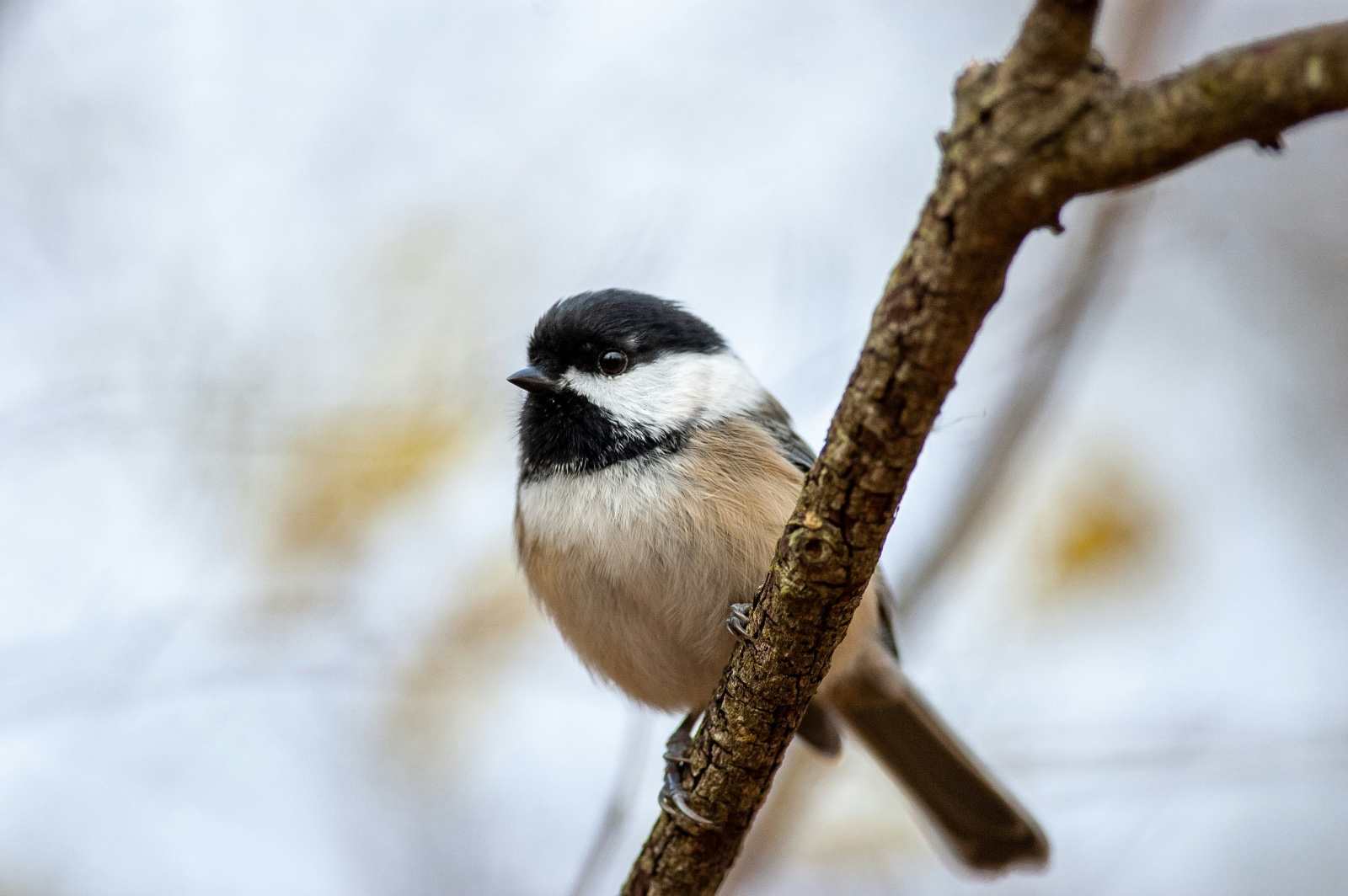
The language used by Japanese Tit bird
It has been discovered that bird species like Japanese Tits don't just "call" or "sing" - they encode meaning in ways strikingly similar to human words. **Research shows that certain birds produce distinct alarm calls for specific predators, effectively labeling threats.** For example, some species emit one particular sound for aerial predators like hawks, and a completely different one for ground threats such as snakes. Listeners respond appropriately without seeing the danger - **birds dive for cover when they hear the "hawk call" or scan the ground when they hear the "snake call".**
Even more intriguing, these calls function beyond instinctive panic signals. They act as referential signals, pointing to objects in the external world - much like words in human language. A "snake call" doesn't just express fear, it communicates "there is a snake here". This ability to refer to specific entities is considered a key building block of language.
The structure of bird vocalisations adds another layer of similarity to human language. Some species combine different notes into sequences where meaning depends on order and combination, resembling a primitive form of syntax. **Changing the arrangement of sounds can alter the message, suggesting that birds are not limited to fixed signals but can construct varied meanings from smaller acoustic units.**
Together, these findings suggest that the roots of language - reference, combinatorial structure, and shared understanding - are not uniquely human. In birds, we see a simpler but surprisingly parallel system: a vocabulary of sounds, including a clear "snake signal", used to convey specific information about the world.
Sources
Animal Behaviour
Communication about predator type by a bird using discrete, graded and combinatorial variation in alarm calls
Great tits produced ‘jar’ calls for snakes
Proceedings of the National Academy of Sciences
Alarm calls evoke a visual search image of a predator in birds
the Japanese tit (Parus minor), which produces acoustically distinct alarm calls in response to different predators
they respond to snake-specific alarm calls by looking down at the ground nearby their nest tree
Proceedings of the National Academy of Sciences
Alarm calls evoke a visual search image of a predator in birds
they respond to snake-specific alarm calls by looking down at the ground nearby their nest tree
Ecological Research
Animal linguistics: Exploring referentiality and compositionality in bird calls
“zi” or “seeet” calls are apparently associated with the detection of aerial predators, such as flying raptors
Nature Communications
Experimental evidence for compositional syntax in bird calls
compositional syntax is not unique to human language but may have evolved independently in animals
Stanisław Brzeski
2
Followers
3
Following
18
Publications
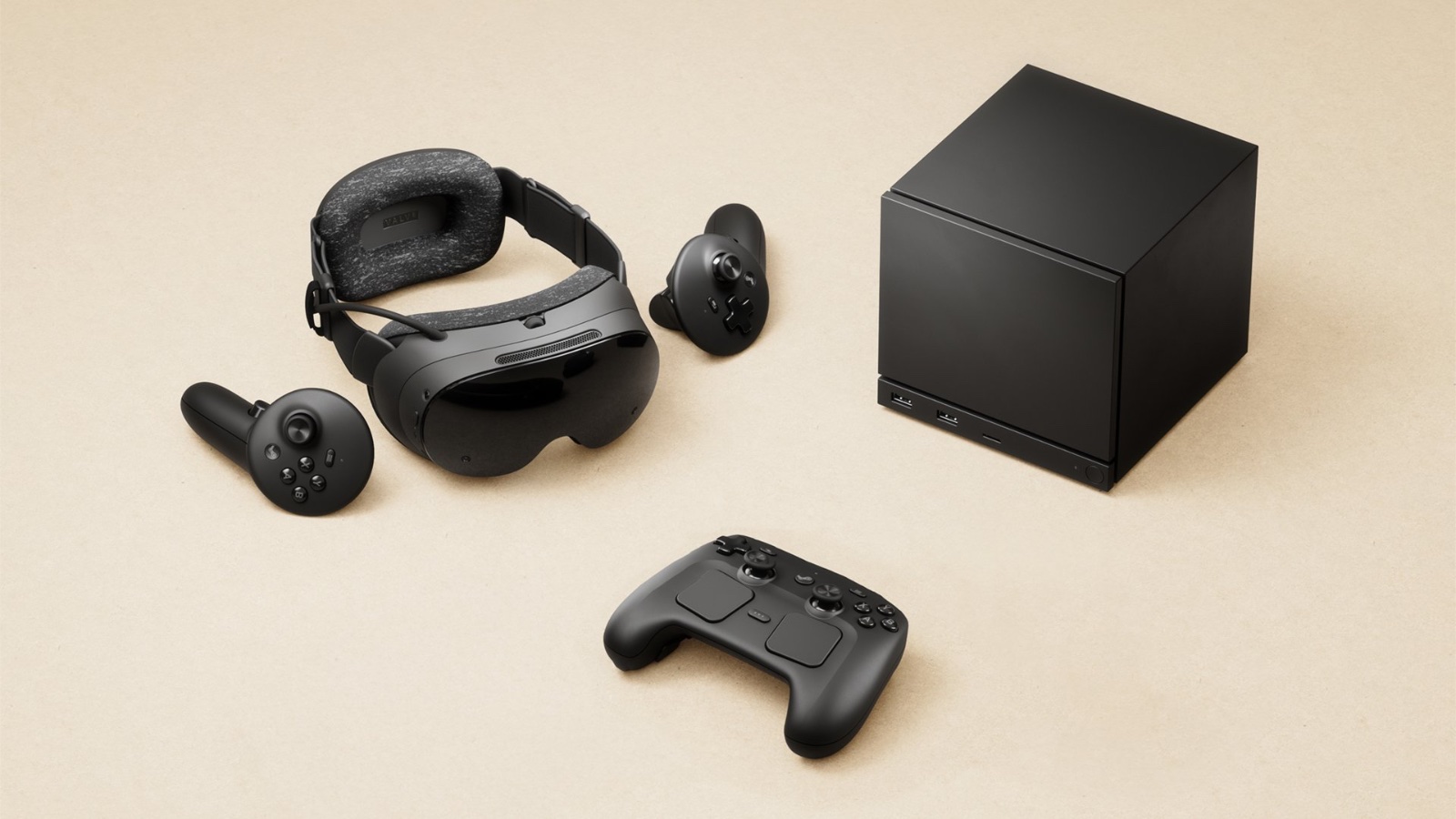
How Steam Machine could change Couch Gaming
Valve announced a new Steam Machine set to expand its hardware lineup in early 2026. The device aims to bring the full Steam library to living rooms, featuring performance capabilities comparable to current-generation consoles.
With Steam Machine you will be able to play over 120,000 games from the Steam Library previously available only for PC players. In comparison Xbox Series X has around 15,000 games in its store while Playstation 5 Pro has around 9,000 games. This is a huge set of additional games that you can enjoy from your living room.
Steam Machine will be accompanied by the Steam Controller. It will feature 2 Trackpads to provide better compatibility and precision for games designed for mouse and keyboard including FPS games.
Tech specifications for the new device were published, though detailed performance comparisons with other consoles remain to be fully detailed. Valve promises 4k gaming at 60fps, also noting enough power to play AAA titles.
Sources
Valve
The Steam Hardware family officially expands in early 2026.
Valve
Tech Specs
Valve
Steam Machine has the power to play your whole Steam library, including your favorite AAA titles
Valve
Use Steam Controller to play even your favorite mouse and keyboard games.
Valve
4K gaming at 60 FPS
SteamDB
7005 games have been released in 2026 on Steam (cumulative: 129492)
Xbox
Xbox Series X games: 14,799
Playstation
Playstation 5 games: 9063
Stanisław Brzeski
2
Followers
3
Following
18
Publications
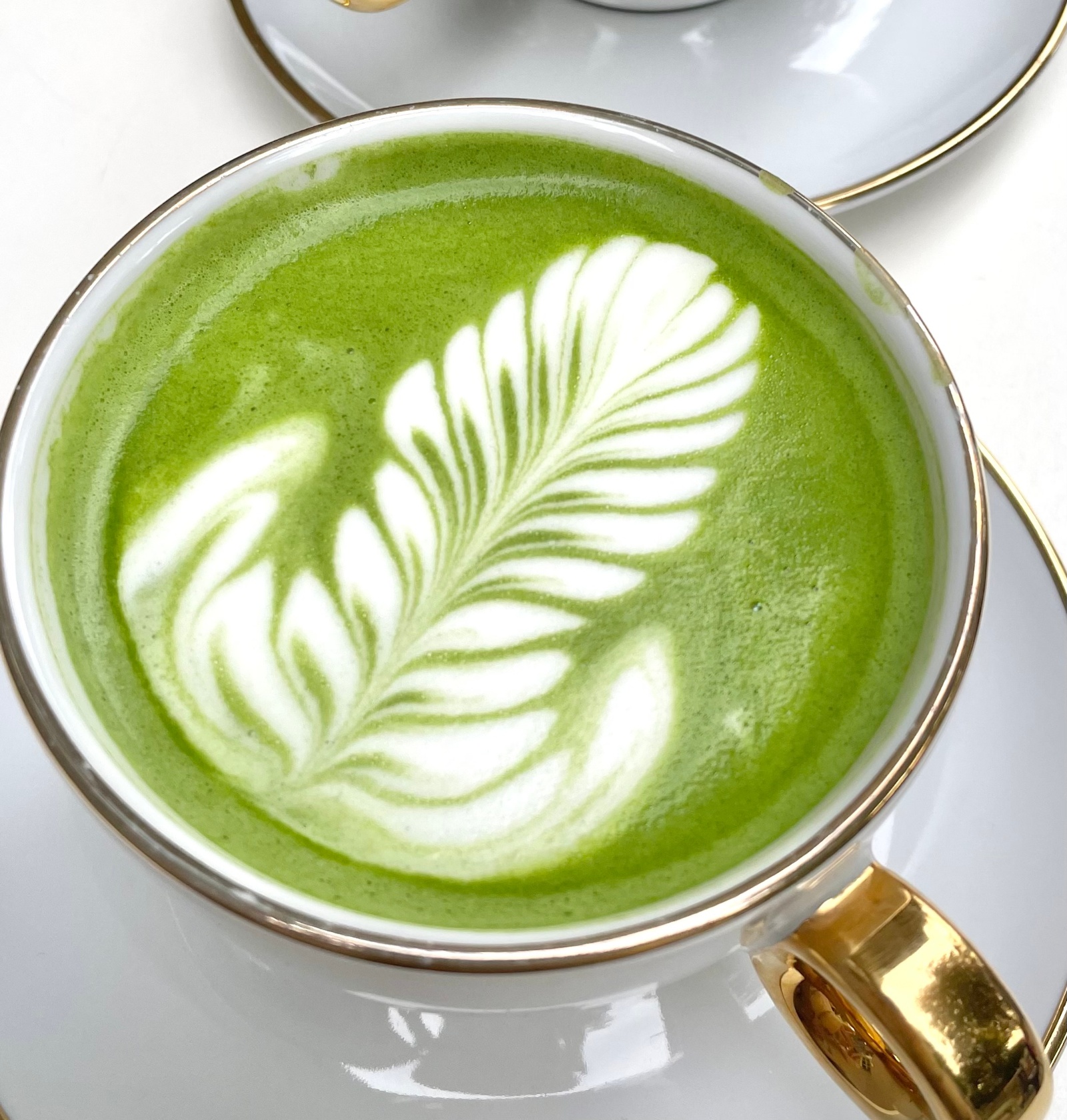
Potential Health Benefits of Matcha Green Tea and Their Limitations
Matcha green tea is a concentrated form of Camellia sinensis rich in polyphenols, flavonoids, and vitamin C, which give it strong antioxidant properties. Studies show it can reduce oxidative stress and may influence cancer-related processes; for instance, it was reported that matcha “inhibits cancer stem cell propagation… by mediating metabolic reprogramming.” Additionally, catechins such as EGCG contribute to anti-inflammatory and cardioprotective effects.
However, matcha is not purely beneficial in all contexts. Its caffeine content may cause side effects in some individuals, and common additions like sugar or milk can reduce its positive health effects by lowering polyphenol activity and increasing caloric intake.
Overall, matcha can be a healthy component of the diet when consumed in moderation and without excessive additives.
Sources
Matcha green tea (MGT) inhibits the propagation of cancer stem cells (CSCs), by targeting mitochondrial metabolism, glycolysis and multiple cell signalling pathways
Antioxidant Properties and Nutritional Composition of Matcha Green Tea


Anna Brzeska
1
Followers
0
Following
1
Publications
BrevitivE
Brevitive is an independent, crowdsourced media platform that brings together writers, thinkers, and domain experts from around the world to share their most refined ideas and reliable information.

BrevitivE